Silhouette Shifts: What's Changing in Turkish Fashion
Turkish fashion's silhouettes are evolving rapidly. Oversized blazers meet tailored trousers, relaxed proportions blend with structured details, and the traditional meets contemporary in unexpected ways. Here's what's actually changing on Turkish runways and retail floors.
The Oversized Movement Takes Hold
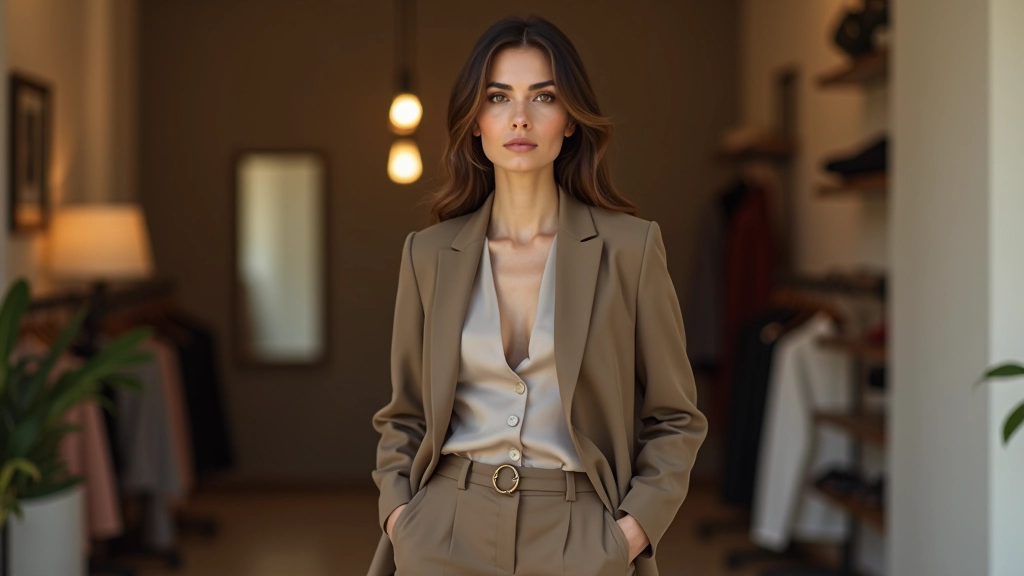
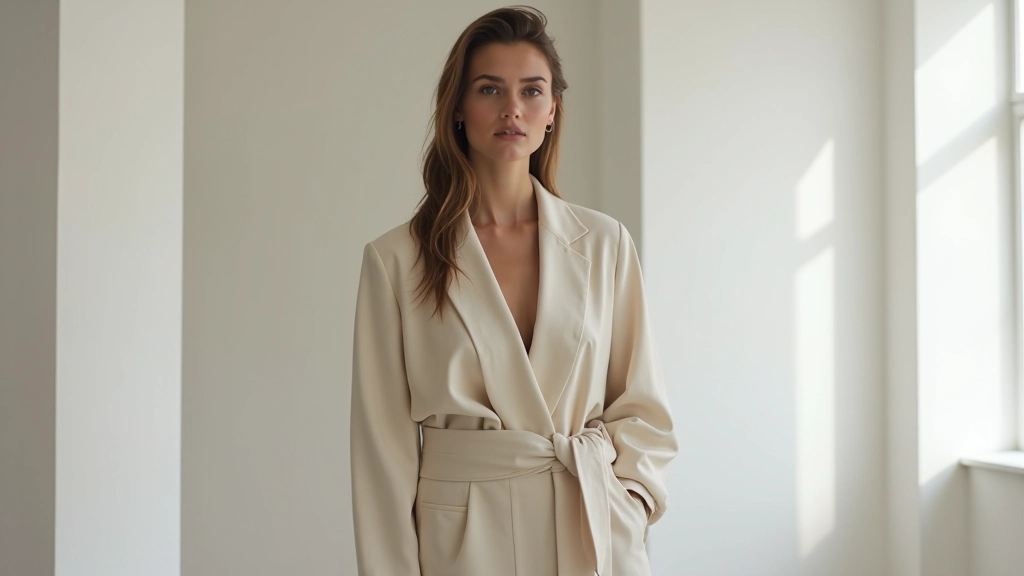
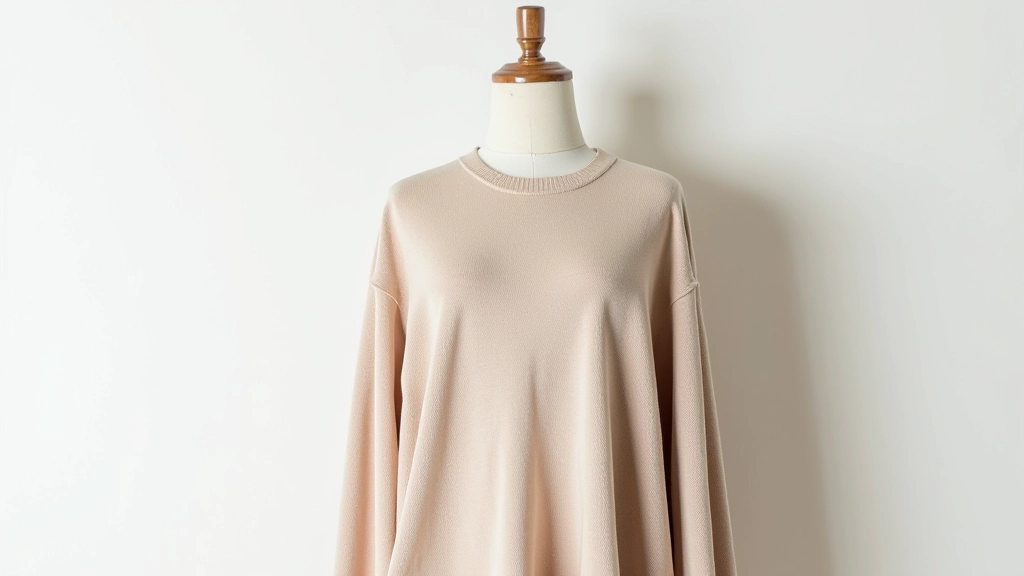
Oversized isn't just a trend anymore — it's become the default silhouette across Turkish fashion. What we're seeing isn't sloppy or shapeless. It's intentional. Designers are pairing volume in the shoulders and chest with precise tailoring at the hips and thighs.
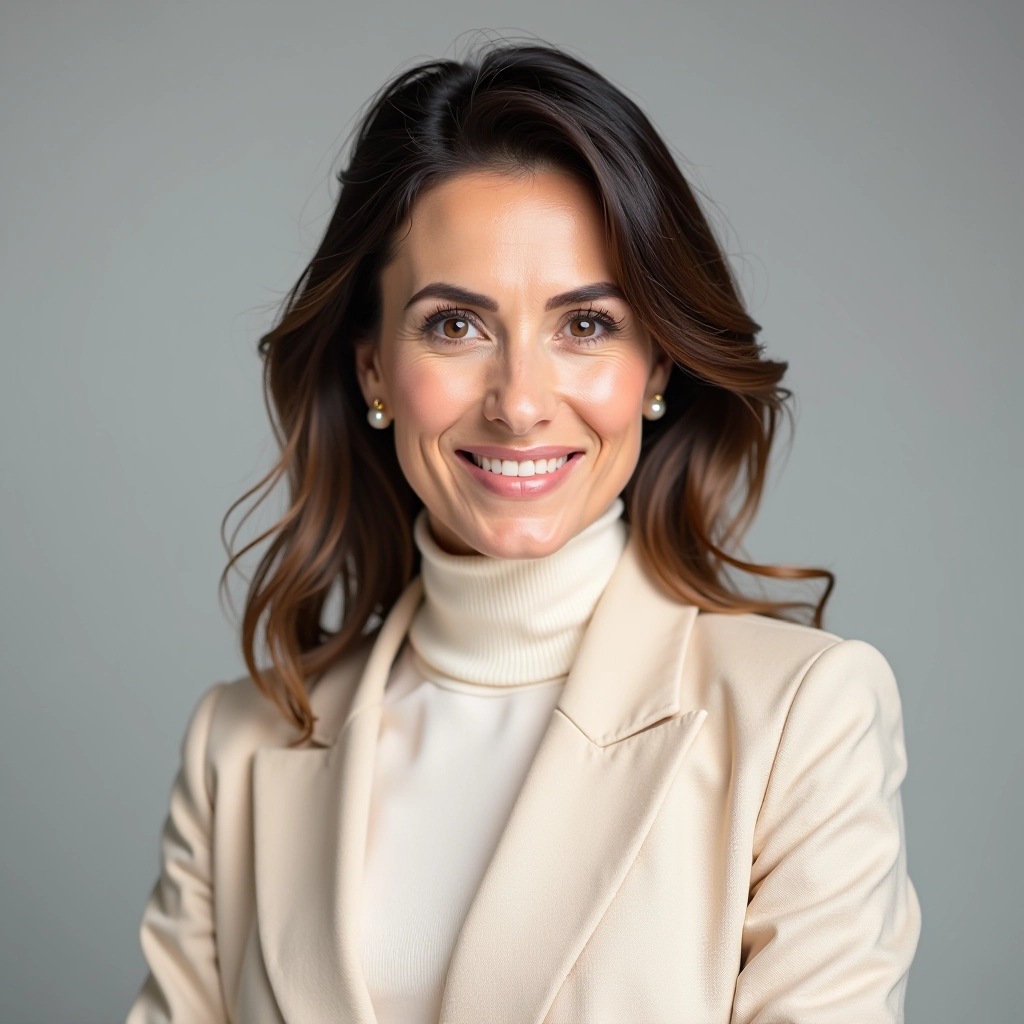
The magic happens in the proportions. An oversized linen shirt gets tucked into high-waisted trousers with a 24-inch hem. A structured blazer three sizes too large sits over a fitted turtleneck. You're getting silhouettes that breathe but don't drown the wearer.
Istanbul boutiques report that oversized outerwear represents 65% of blazer sales this season. That's up from about 40% last year. The shift isn't just about comfort — it's about how Turkish women want to be perceived: powerful, modern, and in control.
Layering Gets Strategic
Turkish fashion isn't just about individual pieces anymore. It's about how they stack. We're seeing intentional layering that creates depth and dimension without looking chaotic.
A classic example: oversized wool coat worn open over a fitted turtleneck, which sits on top of a thin long-sleeve shirt. Three layers, but the silhouette reads as clean and modern. The key is that each layer has a different fit. You need contrast to make it work.
Ankara designers are experimenting with this too. Traditional print fabrics get layered with neutral textiles. One boutique in Beyoğlu showed us a look that combined a vibrant Ankara jacket with a cream-colored oversized linen shirt underneath. It shouldn't work, but it does.
About This Report
This article represents observations from Turkish retail environments, social media trends, and fashion industry sources as of March 2026. Fashion trends vary by region, personal preference, and individual body types. These are trend directions, not prescriptive fashion rules. Your personal style matters more than following any trend.
Proportion Play and Asymmetry
Where Turkish fashion is getting really interesting is in how designers are playing with proportion imbalance. It's not about symmetry anymore.
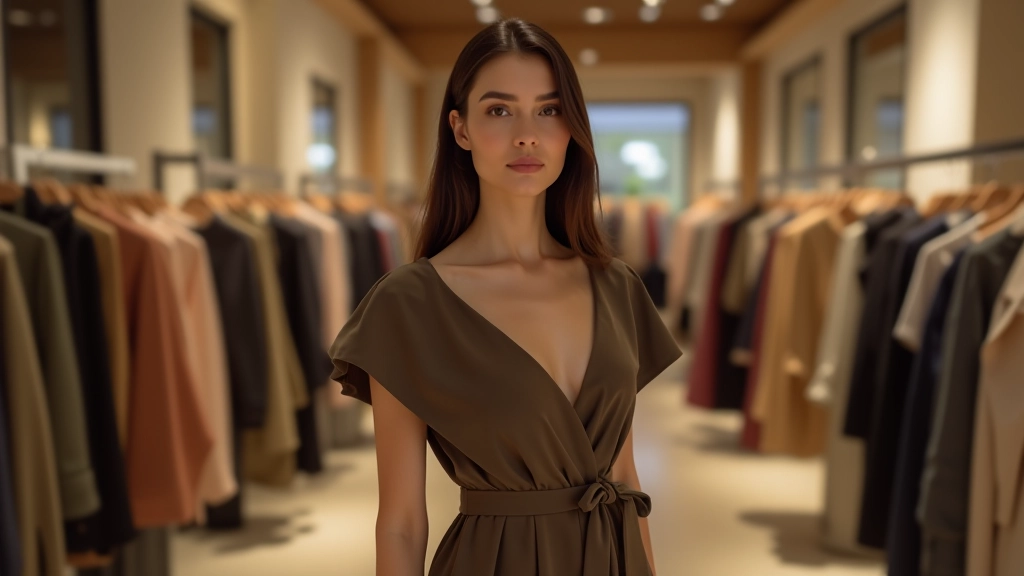
One sleeve cuffed and structured, the other loose and flowing. A hemline that dips on one side and rises on the other. Necklines that sit differently on each shoulder. These aren't accidents — they're calculated design choices.
Istanbul Fashion Week featured at least 40% of collections with asymmetrical silhouettes. Designers like Zeynep Tosun and the emerging talents at Turkish Design Collective are pushing this aesthetic hard. It's a direct response to the demand for individuality. You can't buy something that looks like everyone else's when the cut itself is asymmetrical.
Key Insight: Asymmetry isn't trend — it's the foundation of how Turkish designers are thinking about silhouette right now. It's about movement, personality, and rejecting the idea that fashion should be uniform.
Texture Mixing Creates Dimension
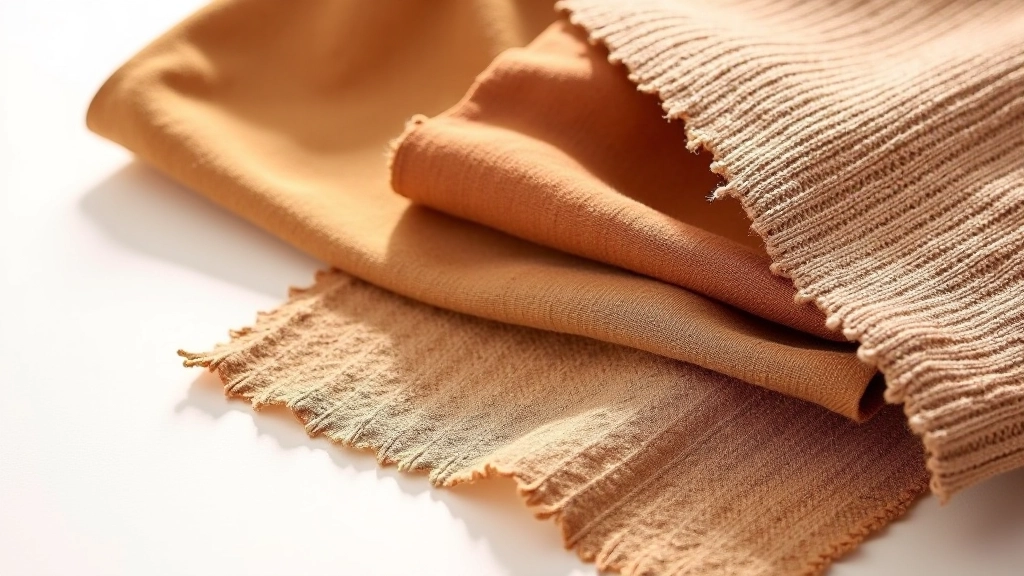
Solid colors are becoming the exception rather than the rule. What's changed is how texture gets used to create visual interest instead of pattern.
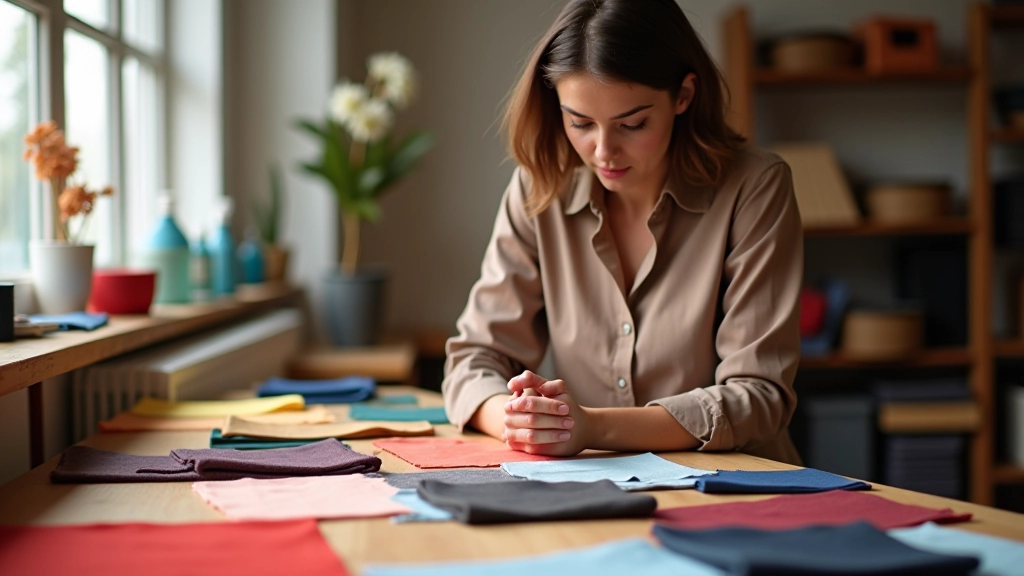
A structured cotton canvas sits next to a soft wool knit. A matte linen blazer pairs with a glossy silk undershirt. Ribbed knits contrast with smooth cashmere. The silhouette stays clean, but the piece becomes dynamic through texture variation.
This approach works particularly well with the oversized trend. When you've got volume in the silhouette, texture keeps it from looking flat or one-dimensional. Turkish manufacturers are responding — we're seeing more mixed-fiber blends and intentional texture contrasts in mid-range brands that previously stuck to single fabrics.
What This Means for Turkish Fashion Going Forward
The silhouette shifts we're seeing aren't temporary adjustments. They're reflective of deeper changes in how Turkish fashion consumers think about clothing. The move toward oversized proportions, strategic layering, asymmetrical cuts, and texture-focused design isn't about following international runways blindly.
It's about Turkish designers and consumers reclaiming space to define their own aesthetic. You're seeing this play out in boutiques from Beyoğlu to Bağdat Caddesi to shopping centers in Ankara and Izmir. Young Turkish women aren't buying what fashion tells them to buy — they're buying what makes them feel powerful and individual.
The oversized blazer over tailored trousers isn't going anywhere. The asymmetrical cut is becoming standard. Texture mixing is replacing simple color palettes. These aren't trends that'll flip next season. They're the new foundation of how Turkish fashion is being built.
Want to understand more about how these silhouette shifts connect to color trends and accessories?
Explore Colour Stories in Turkish Retail