
Social Media Style Movements Among Turkish Youth
How Instagram, TikTok, and YouTube are reshaping fashion choices among Gen Z in Turkey

Senior Fashion Trends Analyst at Akdenova Ticaret Ltd with 12 years tracking Turkish retail innovations, colour stories, and youth-driven social media style movements.
The Digital Fashion Revolution in Turkey
Turkish youth aren't waiting for seasonal collections anymore. They're creating trends in real-time across Instagram Stories, TikTok videos, and YouTube hauls. What's happening right now isn't just adoption of global trends — it's a distinct Turkish remix that blends Istanbul's street style with international aesthetics.
This shift fundamentally changed how brands approach product launches and how retail shops stock their shelves. A styling video with 500K views can move inventory faster than traditional advertising ever did. The pace is relentless, the audience is engaged, and the influence is undeniable.
Key Movement #1: Maximalism Takes Over
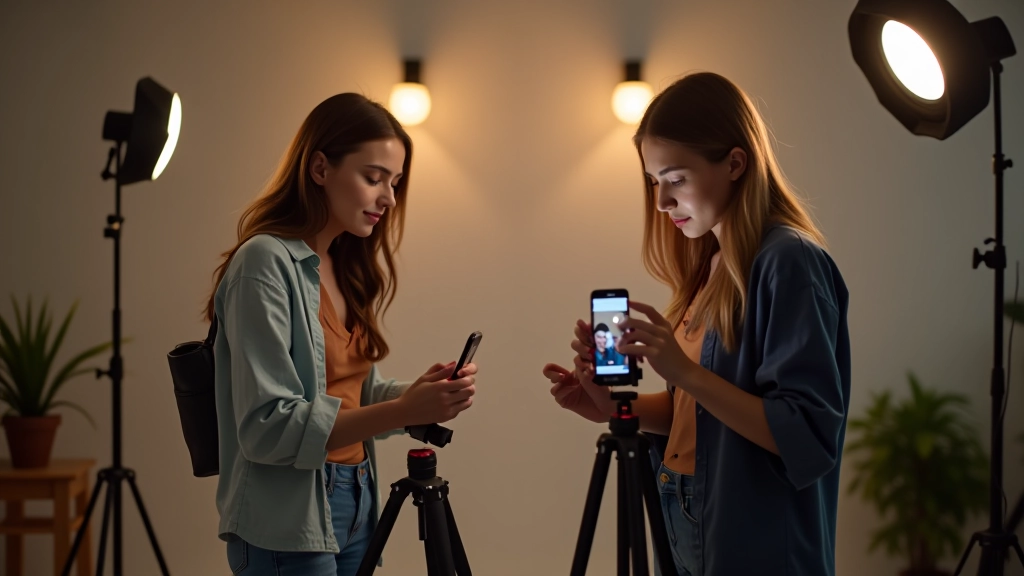
Remember when minimalism ruled? That era's basically done for Turkish Gen Z. Bold patterns, clashing colors, oversized silhouettes — they're not afraid to experiment. The "more is more" approach gets millions of views because it's visually arresting and feels authentically rebellious.
What's interesting is how this manifests locally. Turkish youth aren't just copying American TikTok creators. They're adding their own twist — incorporating traditional textile patterns into modern pieces, mixing vintage finds with new brands, creating looks that couldn't exist anywhere else. That specificity drives engagement.
Brands that caught on early saw massive success. Those selling "safe" designs? They're struggling. The algorithm rewards boldness, and Turkish youth creators are delivering exactly that.
Key Movement #2: Thrifting Goes Mainstream
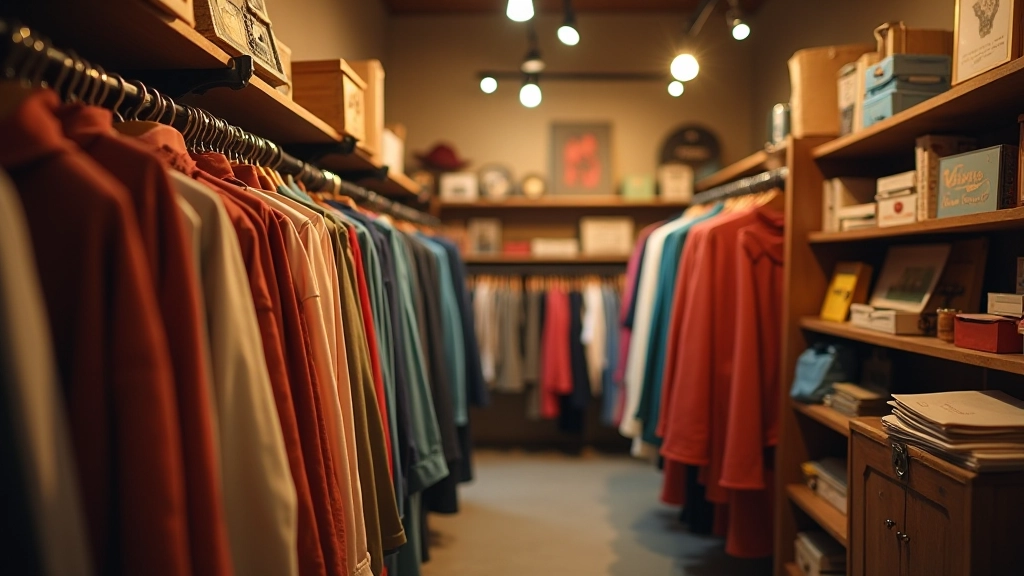
Thrifting isn't niche anymore — it's how Turkish youth actually shop now. Instagram accounts dedicated to vintage finds get 200K+ followers. TikTok creators film "thrift haul" videos that outperform brand collaborations. It's sustainable, it's affordable, and it's genuinely fun.
What's driving this? Several things. First, budget constraints — quality vintage pieces often cost less than new fast fashion. Second, uniqueness. You won't see five people in the same outfit at school. Third, the narrative. Gen Z loves telling the "I found this gem for ₺50" story. It's authentic in a way that sponsored posts aren't.
Istanbul's thrift shops have adapted accordingly. They're now styling pieces, creating Instagram-friendly displays, and sometimes even pricing items based on social media potential. The retail landscape shifted because creators made it cool.
Key Movement #3: Authenticity Over Perfection
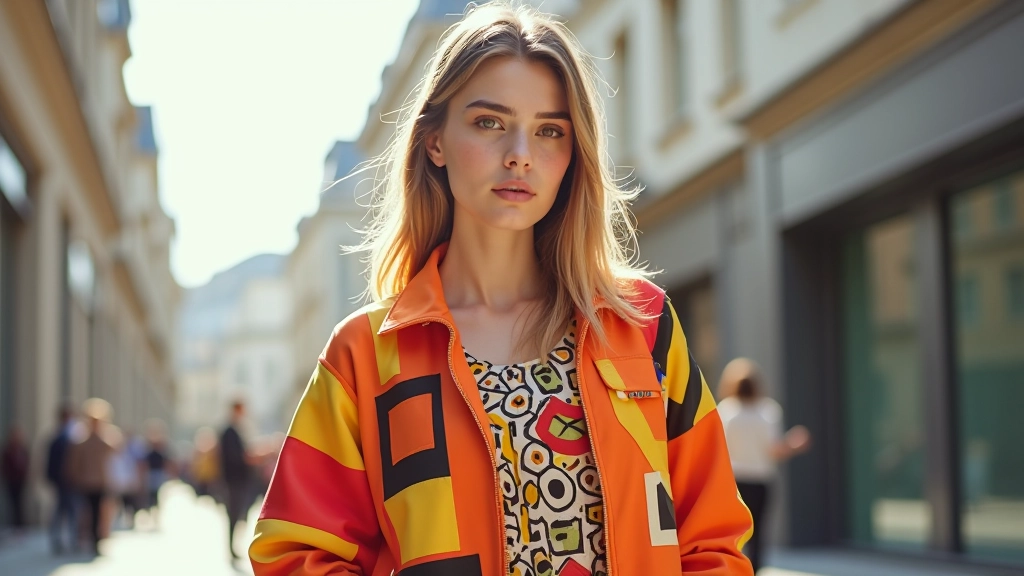
The "Instagram aesthetic" phase is fading. Turkish creators now get massive engagement by showing messy bedrooms, imperfect styling, real bodies in real clothes. The hyper-polished influencer look doesn't convert like it used to. What works is relatable, sometimes awkward, definitely honest.
This created space for micro-influencers and ordinary kids to build followings. You don't need a professional photoshoot or expensive pieces. You need personality, consistency, and willingness to be yourself. That's democratizing fashion in a way that benefits emerging creators but challenges traditional brand partnerships.
Brands are catching on. Those investing in authentic creator partnerships (not just paid promotions) are seeing better ROI. Turkish youth can smell inauthenticity from a mile away, and they'll call it out publicly.
Platform-Specific Style Movements
Instagram: The Aesthetic Archive
Grid-based outfit curation. Turkish creators use carousel posts to show outfit progression, styling tips, and seasonal transitions. The feed becomes a personal lookbook. Consistency matters — matching color palettes, similar lighting, cohesive aesthetic.
TikTok: Fast, Experimental, Viral
30-second style transformations, outfit transitions, thrift hauls. TikTok rewards novelty and speed. Trends cycle every 2-3 weeks. What's trending today in Istanbul might be global by Friday. The algorithm doesn't care about follower count — just watch time and engagement.
YouTube: In-Depth Content
10-15 minute videos diving deep into styling techniques, wardrobe organization, trend analysis. Turkish creators build loyal audiences through educational content. Personal shopping hauls and "getting ready" vlogs perform exceptionally well. Long-form content creates parasocial relationships.
Real Impact on Turkish Retail
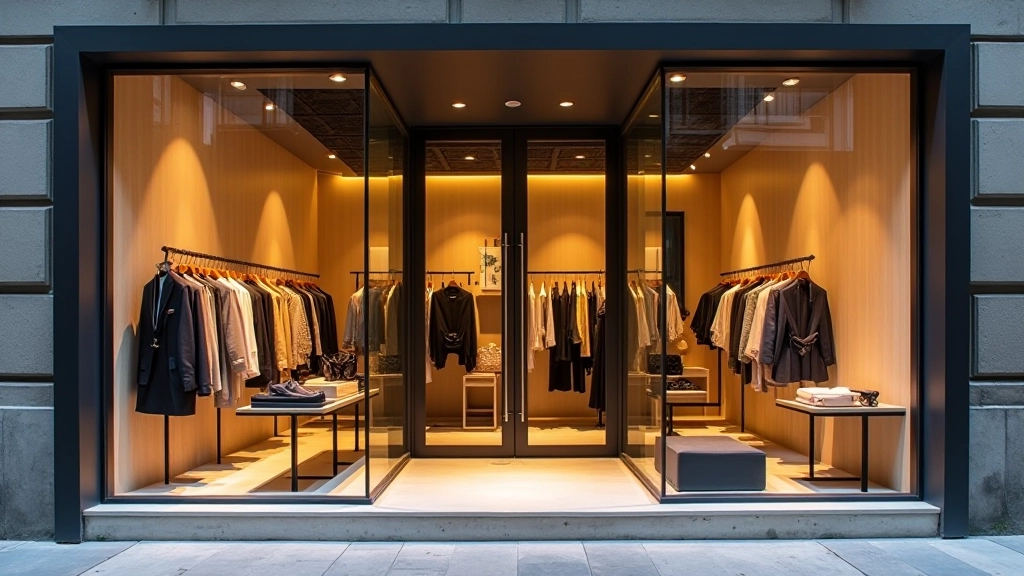
Retail shops now check TikTok and Instagram before deciding what to stock. Inventory decisions are partially driven by social media trends rather than just traditional seasonal buying. Store layouts are designed to be "Instagram-worthy" — creating photo opportunities encourages social sharing and free marketing.
Fast fashion brands are accelerating product cycles to match social media speed. What took 6 months to design and produce now happens in 6 weeks. Turkish retailers adapted faster than many international competitors, which is why local brands are gaining ground against global chains.
Employment patterns shifted too. Retail jobs now include "social media scout" roles where staff identify trending items and highlight them in store displays. Some shops hire micro-influencers to work part-time shifts specifically for their social reach.
Sustainability as a Trend Signal
Turkish youth creators frequently discuss sustainable fashion — but it's not always what it seems. Sometimes "eco-conscious" messaging is performative. Real sustainability (buying less, thrifting, rewearing items) gets engagement. But greenwashing also exists on these platforms.
What's genuine is the thrifting movement. Buying second-hand is simultaneously sustainable, affordable, and trendy. That intersection creates powerful momentum. Turkish youth aren't choosing sustainability despite cost — they're choosing it because it aligns with their values and their budget.
Brands acknowledging this shift — using recycled materials, offering repair services, creating circular economy models — resonate with creators. Those ignoring it? They're gradually losing relevance with Gen Z audiences.
About This Analysis
This article presents observations about social media trends and fashion movements among Turkish youth based on available data from March 2026. Individual experiences vary, and trend adoption differs by region, age group, and personal preferences. Fashion trends are inherently subjective and constantly evolving. This content is educational and informational — it doesn't represent financial or investment advice, nor does it claim to predict future market movements. For business decisions related to fashion retail or marketing, consult with industry professionals and conduct your own market research.
What Comes Next?
Turkish youth aren't passive consumers of global fashion anymore. They're active creators, curators, and trendsetters. Social media isn't just a platform for sharing outfits — it's become the primary mechanism for fashion discovery, validation, and trend propagation.
The movements we're seeing now — maximalism, thrifting, authenticity-driven content, platform-specific aesthetics — aren't temporary fads. They're structural shifts in how fashion functions as a cultural practice. Brands, retailers, and creators who understand these dynamics are thriving. Those who don't are getting left behind.
The pace will only accelerate. As Gen Z ages and younger cohorts join these platforms, the influence of social media on fashion will deepen. What started as kids sharing outfits online has become a multi-billion lira industry reshaping Turkish retail from the ground up.
Explore Related Articles
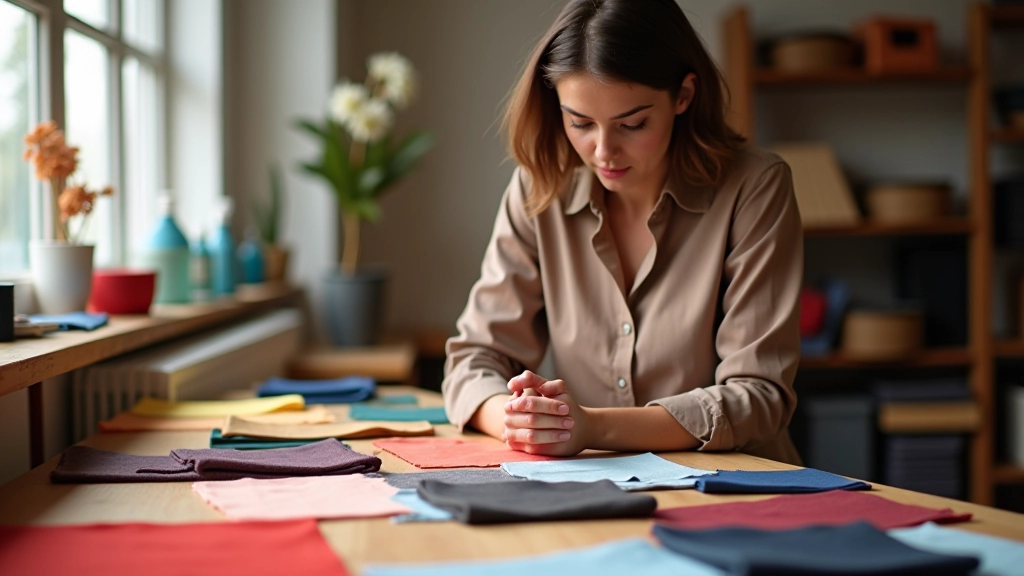
Colour Stories Dominating Turkish Retail This Season
Terracotta, sage green, and deep burgundy are the standout hues reshaping Turkish retail displays this season.
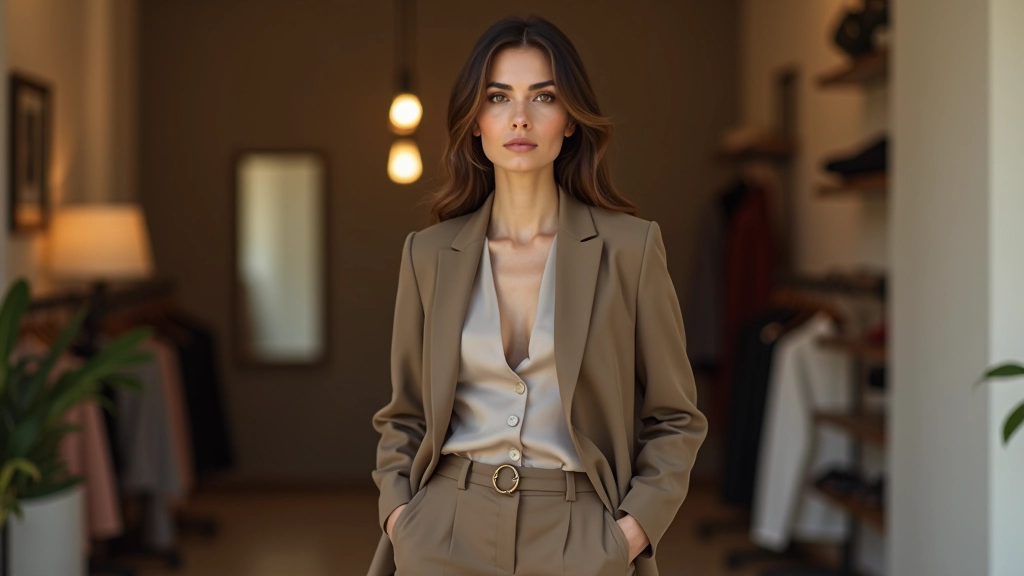
Silhouette Shifts: What's Changing in Turkish Fashion
Oversized tailoring and unexpected cuts are replacing fitted silhouettes across Turkish fashion this season.
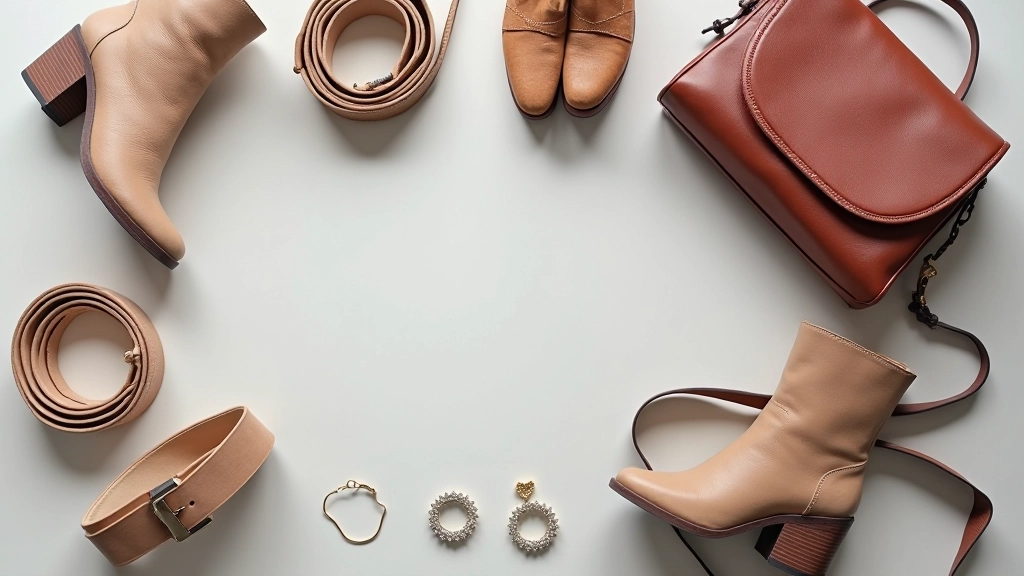
Accessory Trends: Bags, Shoes, and Statement Pieces
Bold accessories are becoming the centerpiece of outfits, with bags and footwear driving overall style direction.